If you've ever opened MyFitnessPal and immediately felt overwhelmed… you're not alone.
Tracking macros can seem complicated at first. Numbers everywhere, weighing food, scanning barcodes…
But once you understand the basics, it becomes one of the most powerful tools for changing your physique.
So let's simplify it.
What Are Macros?
"Macros" is short for macronutrients.
These are the 3 nutrients your body needs in large amounts:
- Protein
- Carbohydrates
- Fats
Each one plays a different role in your body.
Protein
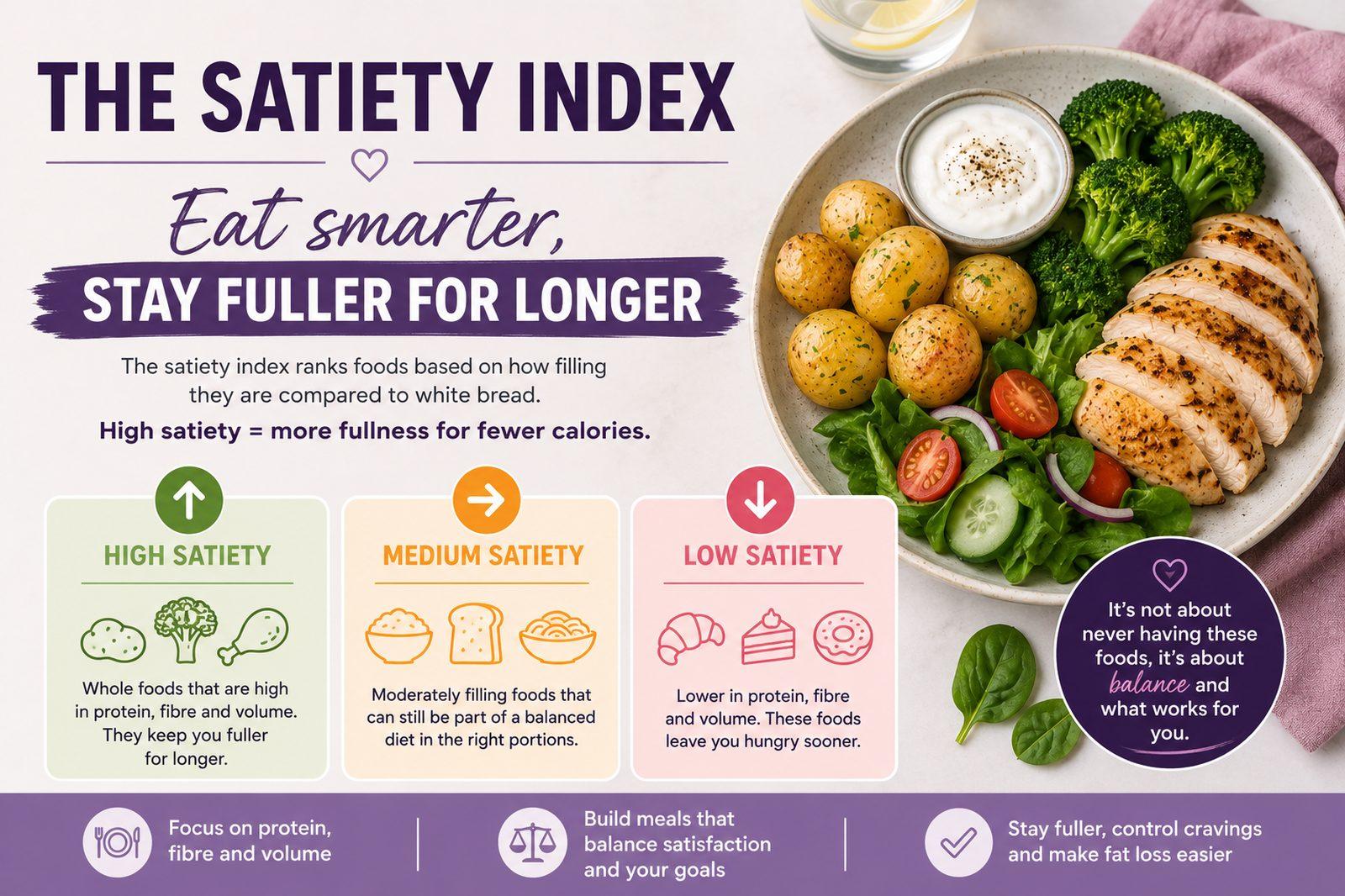
Protein helps support muscle growth, recovery, strength and keeping you fuller for longer.
Sources include:
- Chicken
- Greek yoghurt
- Eggs
- Protein yoghurt
- Fish
- Protein powder
- Lean meats
Carbohydrates
Carbs are your body's main source of energy.
They help fuel your workouts, daily movement and brain function.
Sources include:
- Rice
- Potatoes
- Pasta
- Fruit
- Oats
- Bread
- Cereals
Fats
Fats are essential for hormones, health and overall wellbeing.
Sources include:
- Avocado
- Nuts
- Nut butter
- Olive oil
- Salmon
- Dark chocolate
Do You Need To Track Macros?
Not necessarily.
You can absolutely make progress without tracking.
But for beginners who:
- feel confused around nutrition
- constantly "eat healthy" but see no progress
- under eat during the week then overeat on weekends
- want to build muscle or lose body fat more efficiently
…tracking macros can be incredibly helpful.
It gives you awareness, structure and education around food instead of relying on guesswork.
Best Apps For Tracking Macros
The most popular apps are:
- MyFitnessPal
- Nutracheck
- Cronometer
For most beginners, MyFitnessPal or Nutracheck are the easiest to use.
You simply:
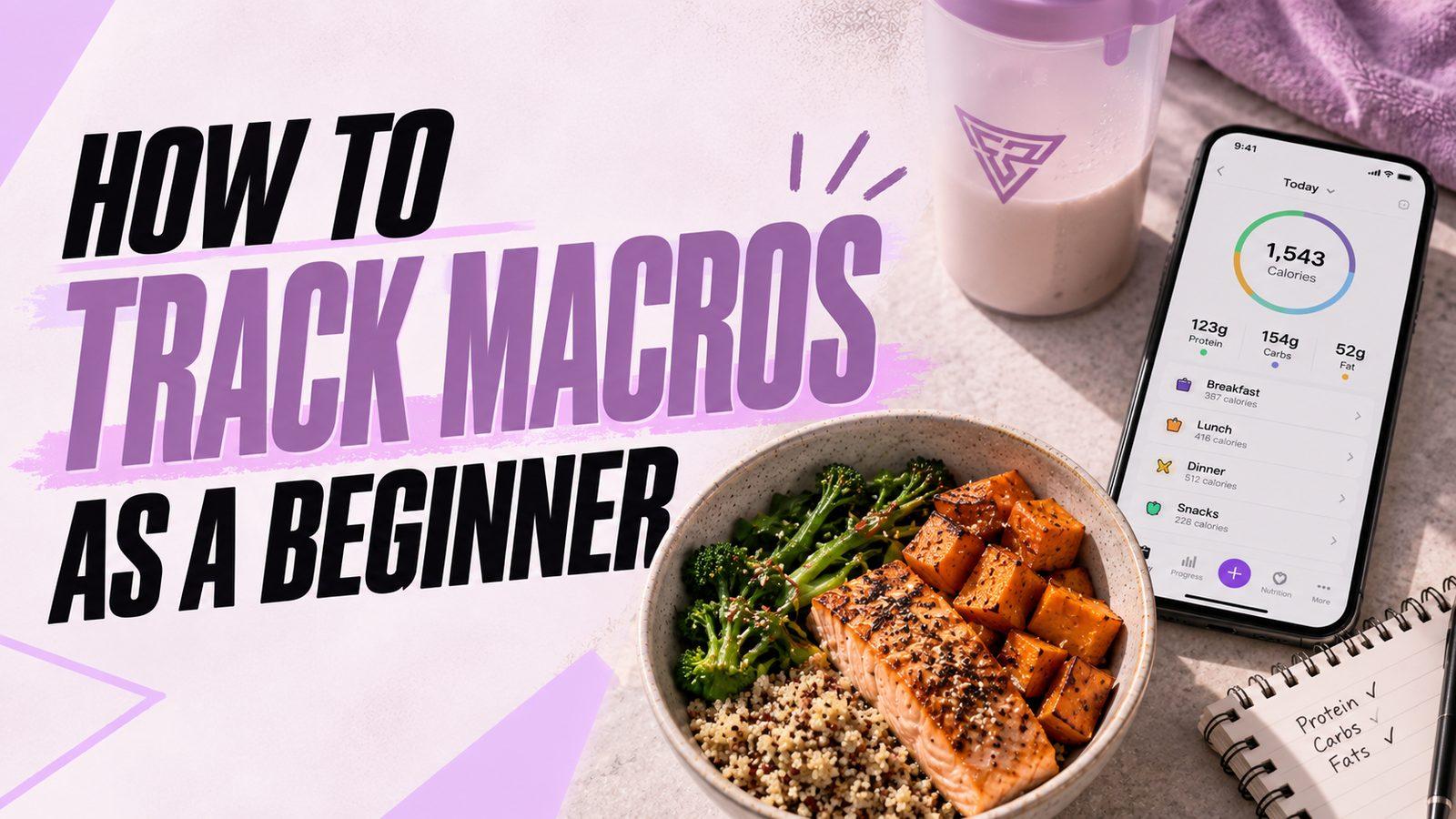
- Set your calorie and macro targets
- Search or scan foods
- Log what you eat throughout the day
That's it.
How To Track Macros Correctly
1. Start Simple
You do NOT need to track perfectly from day one.
Your first goal is simply learning consistency.
Even tracking 80–90% accurately is far better than not tracking at all.
2. Weigh Your Food
Using a food scale helps massively when learning portion sizes.
Especially for:
- rice
- cereal
- peanut butter
- oils
- pasta
Most beginners underestimate how much they're actually eating.
3. Prioritise Protein
If you focus on one thing first, make it protein.
Protein helps:
- muscle growth
- recovery
- satiety
- body composition
A good starting point for most women is around 100–140g per day depending on body weight and goals.
4. Don't Panic About Going Over
One meal won't ruin your progress.
Neither will one higher calorie day.
Consistency over time matters far more than perfection.
The goal isn't to become obsessed with numbers.
The goal is education and awareness.
Common Beginner Mistakes
Trying To Be Perfect
Tracking shouldn't take over your life. Missing a few grams here and there genuinely does not matter.
Only Tracking Monday–Friday
This is a huge one.
Most people are actually fairly consistent during the week.
The weekends are usually where progress stalls.
Avoiding Social Events
Macros should support your life — not control it.
You can still eat out, enjoy meals with friends and have flexibility whilst making progress.
Final Thoughts
Macro tracking isn't about restriction.
It's about understanding.
When done properly, it teaches you:
- portion sizes
- food awareness
- consistency
- balance
- how to fuel your body properly
And over time, many people find they rely on tracking less because they naturally build better habit awareness around food.
Like any skill, it feels awkward at first.
But the more you practise it, the easier it becomes.
And eventually, what once felt confusing becomes second nature.
Want to learn more about online coaching? Click here.