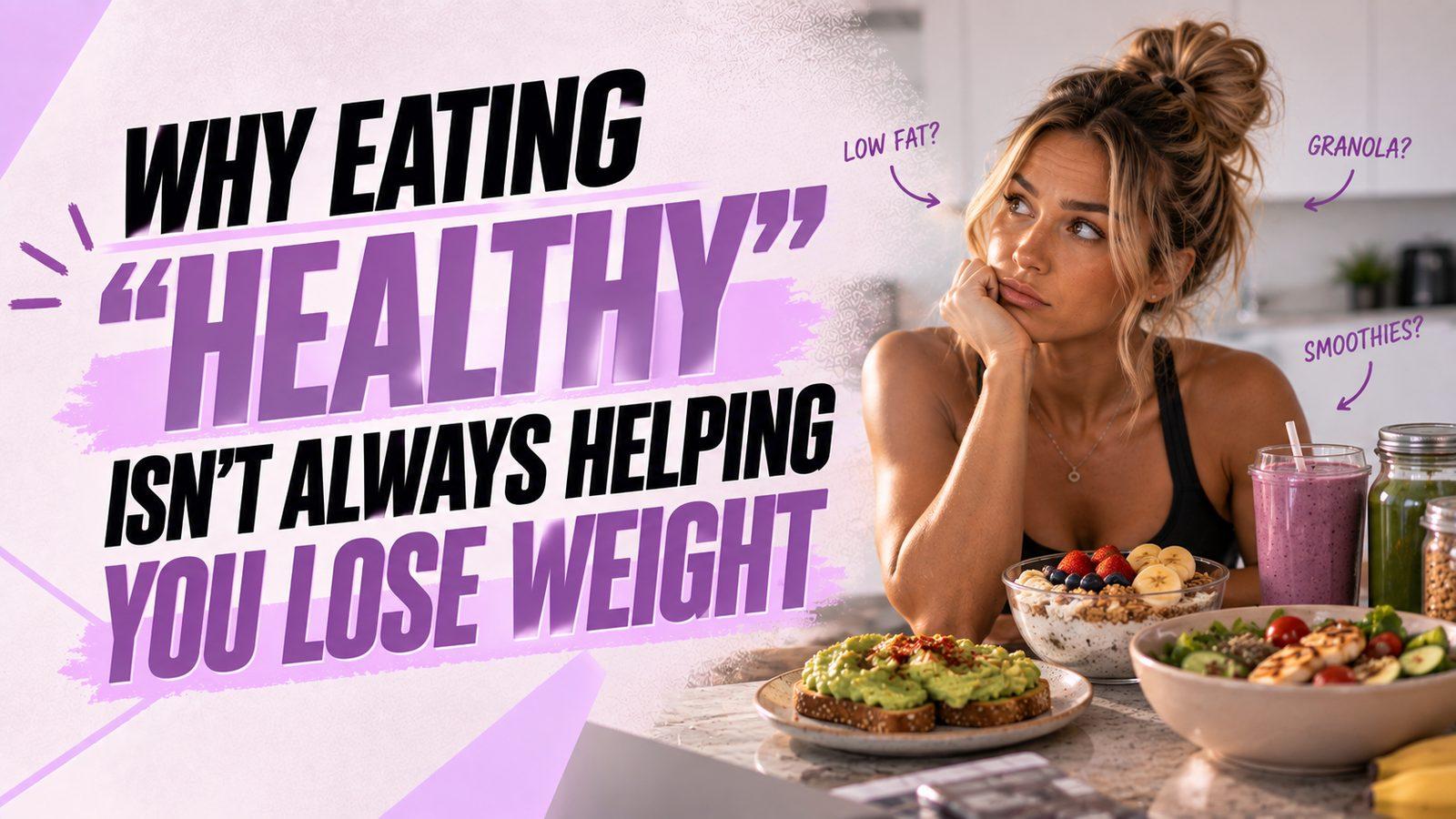
One of the biggest mistakes I see women make is assuming that eating healthy automatically means they'll lose weight.
The reality is, you can eat:
- salads
- smoothies
- protein bars
- nut butters
- "clean snacks"
…and still massively overeat calories without realising.
Fat loss isn't determined by whether a food is labelled as:
- healthy
- organic
- high protein
- sugar free
It comes down to overall calorie intake and consistency over time.
Healthy foods still contain calories
Foods like:
- avocados
- nuts
- granola
- olive oil
- peanut butter
are incredibly nutritious, but they're also very calorie dense.
A few extra "healthy" additions throughout the day can easily push you out of a calorie deficit.
This is why portion sizes still matter — even with nutritious foods.
You don't need to cut out foods you enjoy
A lot of women swing between:
- being "really good" and then
- completely overeating at weekends
Usually because their diet during the week is too restrictive.
You do not need to survive on chicken, rice and broccoli to lose body fat.
Including foods you actually enjoy often makes consistency much easier long term.
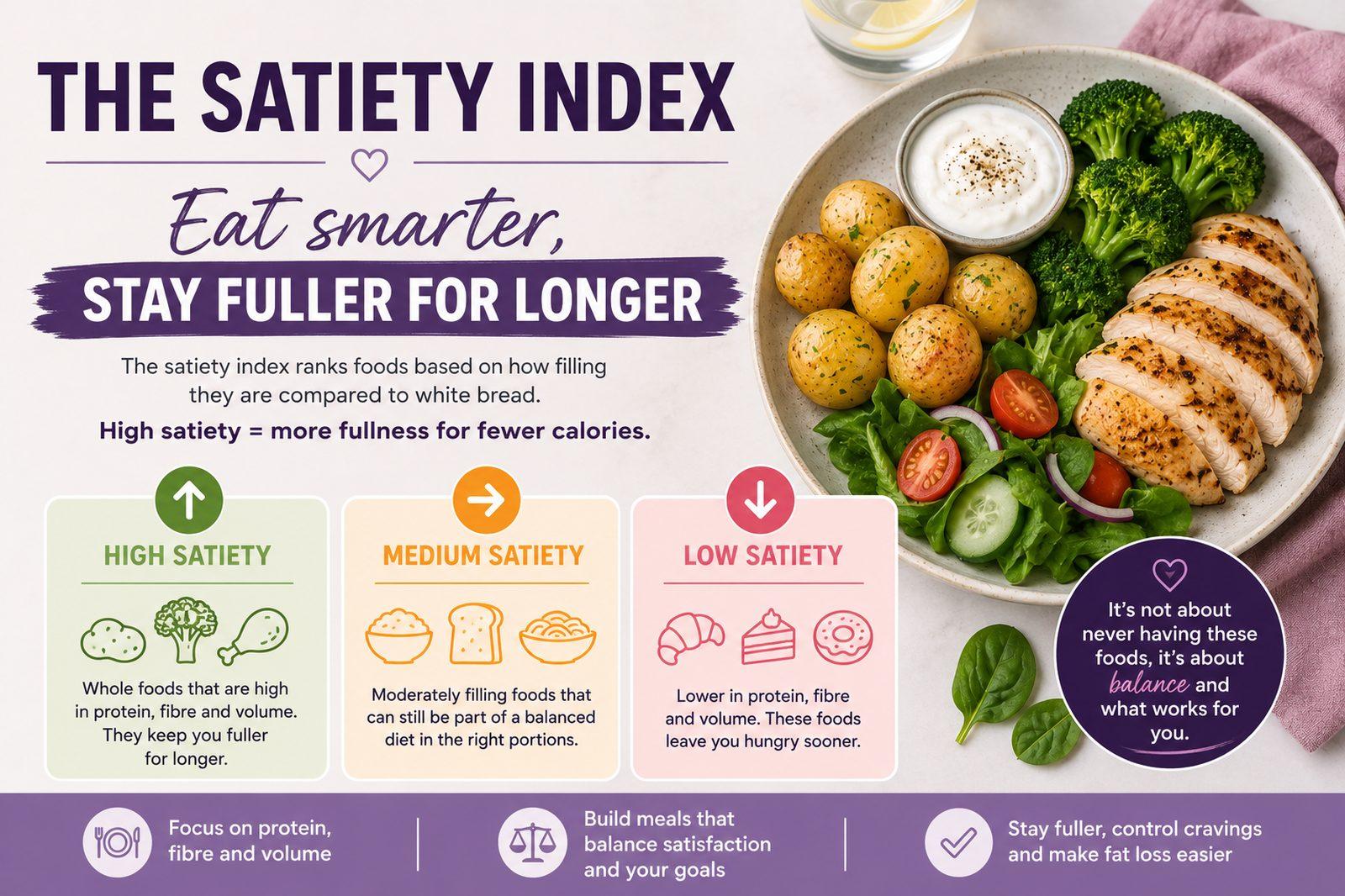
Protein matters more than most people realise
Protein helps:
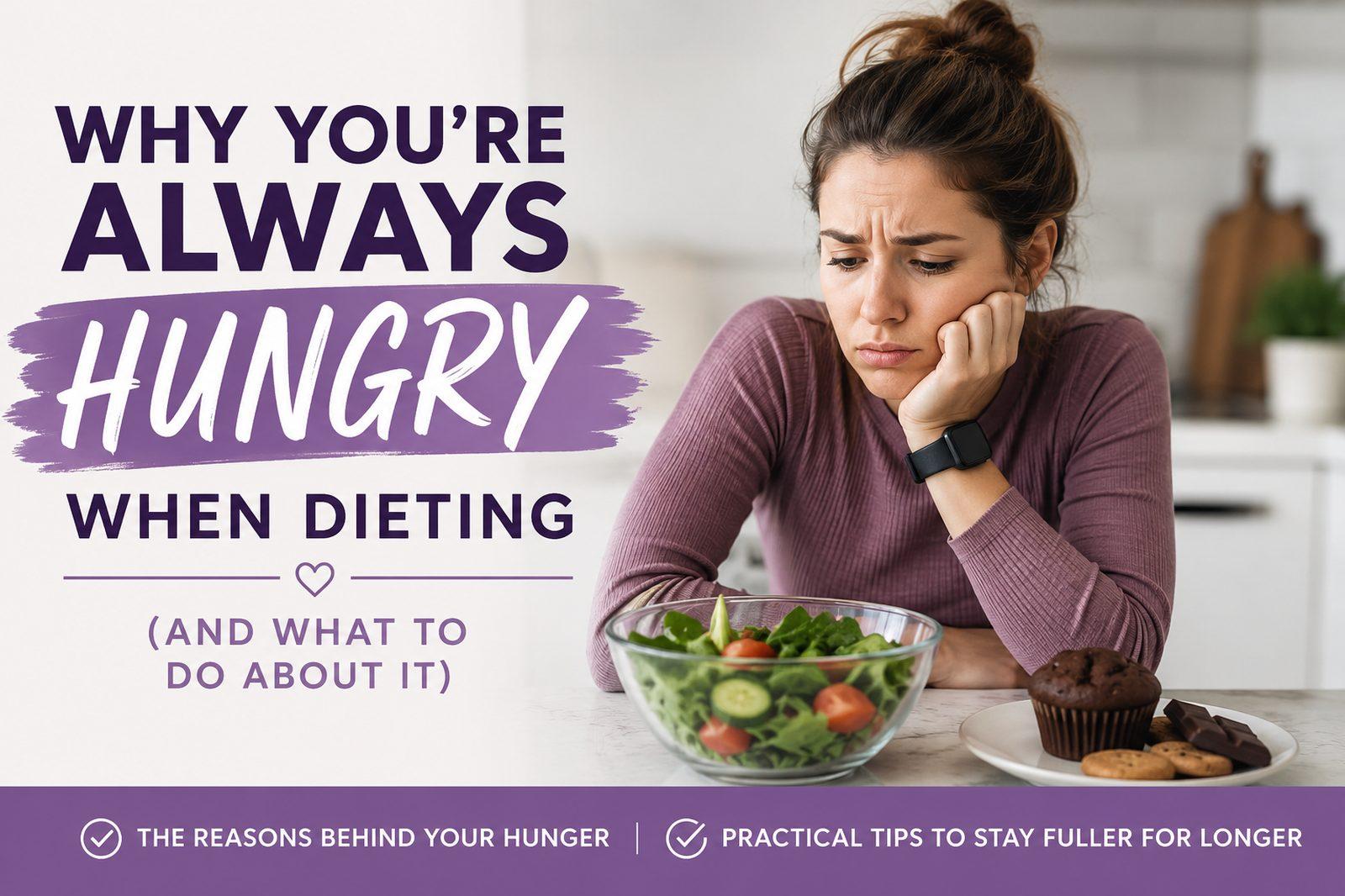
- keep you fuller
- support recovery
- maintain muscle mass
- improve body composition
A lot of women undereat protein without realising it, especially at breakfast and lunch.
Building meals around a good protein source can make a huge difference to hunger levels and progress.
Consistency beats perfection
You do not need:
- a perfect diet
- expensive supplements
- "detoxes"
- meal replacements
You need habits you can stick to consistently.
The women who achieve the best long-term results are usually not the most extreme — they're the most consistent.
Final thoughts
Good nutrition should support your lifestyle, not completely take it over.
Learning how to eat in a way that:
- supports your goals
- improves your energy
- allows flexibility
- feels sustainable
is far more valuable than following another restrictive diet you can't maintain.
If you want help building structure around your nutrition without extreme dieting, you can apply for coaching below.